







The History of Waverly, Nebraska
The History of Waverly, Nebraska
Rooted in History. Growing Together.
From its beginnings as a railroad community to the growing city it is today, Waverly has a rich history shaped by its residents, local businesses, agricultural roots, and strong sense of community. Established in 1870 and incorporated as a village in 1885, Waverly has continued to grow while preserving the small-town character that has defined it for generations.
The Early Years: How Waverly Began
Waverly's history dates back to the mid-1800s, when settlers began establishing homes and farms along Salt Creek in Lancaster County. The arrival of the Burlington & Missouri River Railroad in 1869–1870 helped transform the area into a developing community, creating opportunities for trade, transportation, and settlement.
The town was officially platted in 1870 and named after Waverley, the historical novel written by Scottish author Sir Walter Scott. The influence of Scott's literary works extended beyond the town's name, with several local streets named after characters and places associated with his novels.
By 1880, Waverly had grown to 132 residents, and on its incorporation as a village in 1885, its foundations as a growing Nebraska community were firmly established.
A Growing Railroad and Agricultural Community
The railroad played a central role in Waverly's early development, connecting local farmers and businesses to larger markets. The community's railroad depot, constructed in 1871, became an important location for shipping agricultural products, receiving merchandise, and bringing people together.
Agriculture was equally essential to Waverly's growth. Grain elevators, feed businesses, and agricultural suppliers served the surrounding farming community, while local merchants offered the goods and services residents needed.
Over the years, Waverly's agricultural businesses continued to evolve. The Farmers Co-op Grain Company became a familiar part of the downtown landscape, reflecting the importance of farming to the community's identity.
Historic Downtown Waverly
During the late 1800s and early 1900s, downtown Waverly developed into a bustling center of commerce and everyday life. Its streets were lined with grocery stores, banks, barbershops, hardware stores, blacksmith shops, restaurants, and other family-owned businesses.
Among the community's notable early establishments was the Lancaster County Bank, which served local residents and farmers. Other businesses, including general stores and the Waverly Inn, contributed to the activity and character of the growing town.
Downtown was more than a place to shop. It was where neighbors exchanged news, families gathered, and generations of residents built lasting connections. As businesses changed hands and buildings found new purposes, the downtown district remained an important part of Waverly's story.
Community Traditions and Small-Town Life
Community gatherings have long been a cherished part of life in Waverly. Local celebrations, school activities, and seasonal events brought residents together and helped establish traditions that would be remembered for generations.
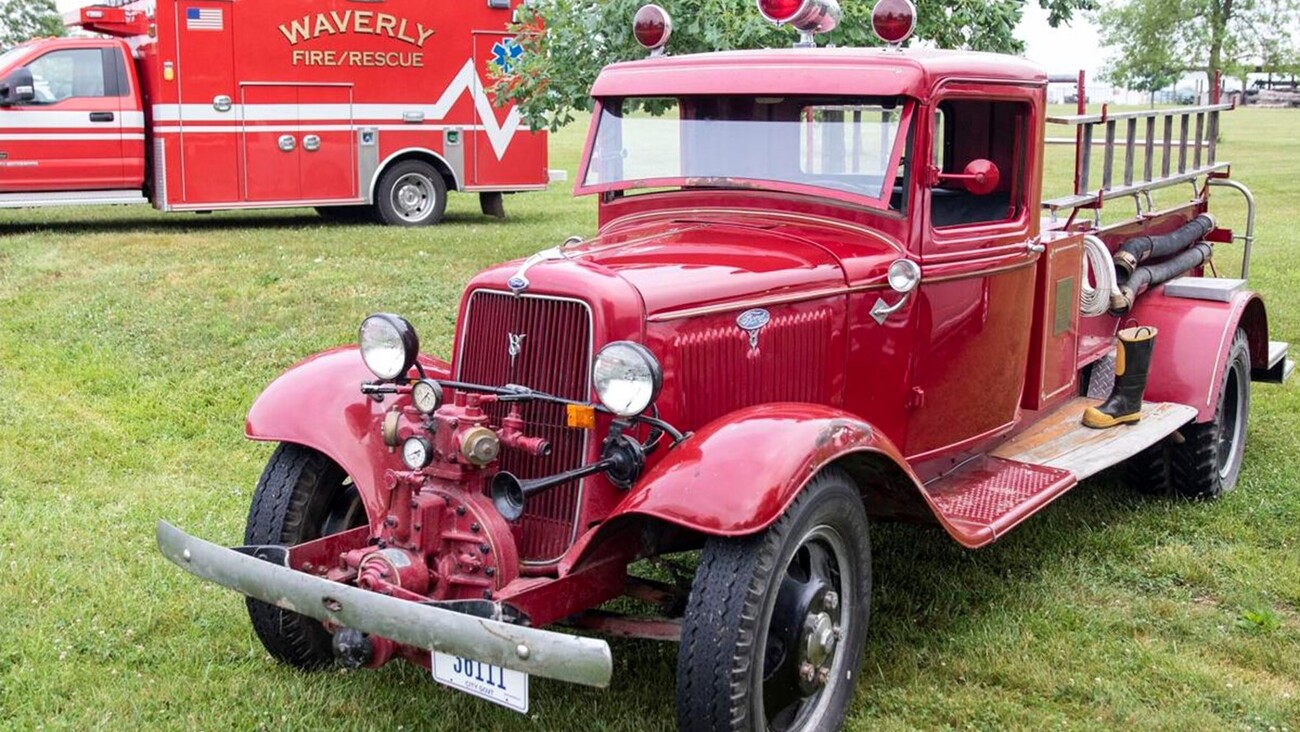
One of the community's popular early celebrations was the Firemen's Frolic, a summer event featuring carnival attractions, entertainment, dancing, and activities for residents and visitors from surrounding towns.
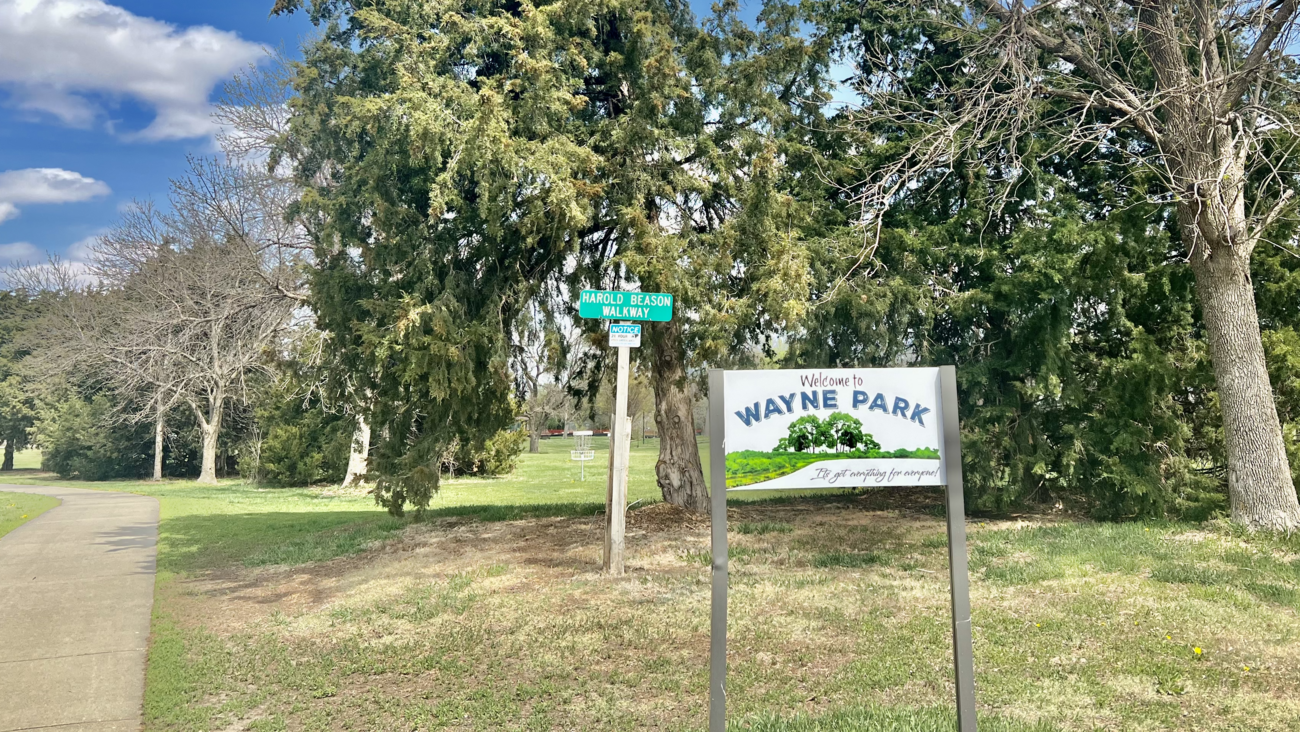
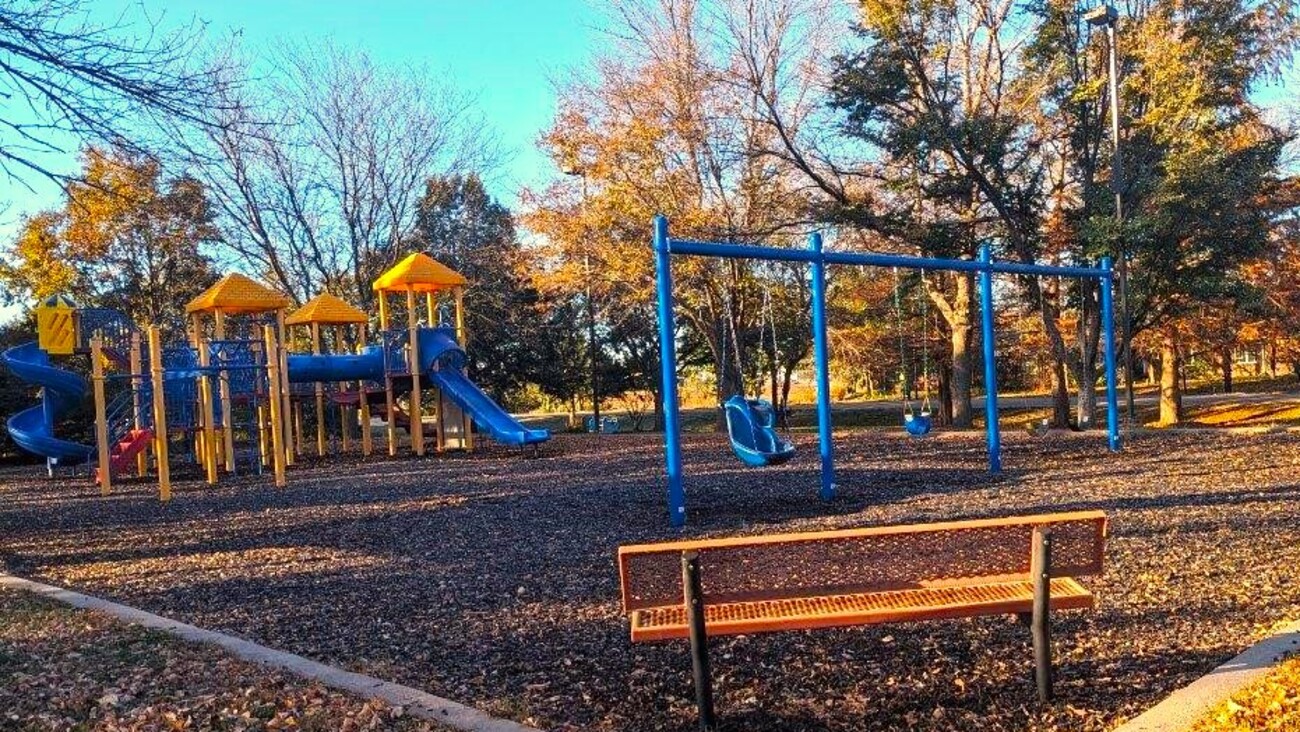
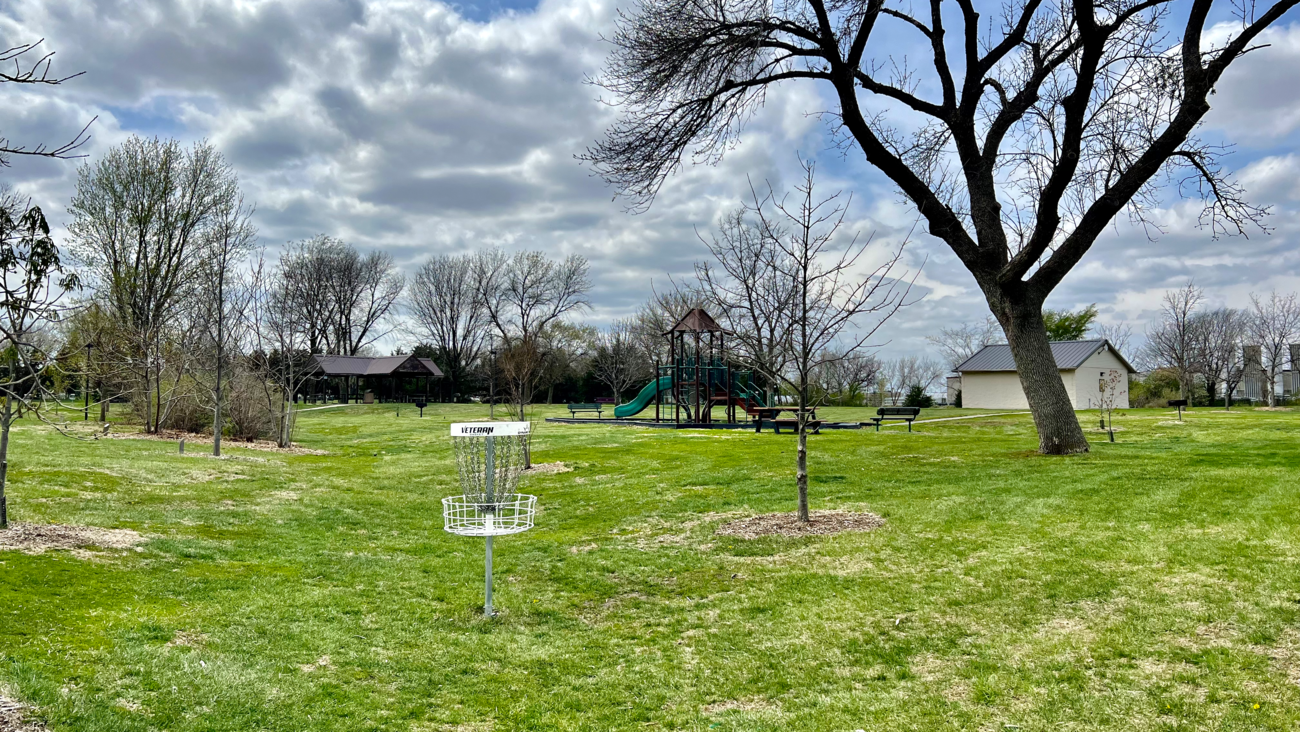
The town park also served as a gathering place, where families enjoyed outdoor movies and social events. Local schools, churches, and community organizations provided additional opportunities for residents to connect, volunteer, and support one another.
These shared experiences helped create the welcoming, community-oriented atmosphere that continues to characterize Waverly today.
From Village to Growing City
Following World War II, Waverly entered a new period of development. The community began expanding beyond its agricultural roots as new homes, businesses, industries, and public services were established.
Growth accelerated during the 1950s and 1960s, bringing improvements to local streets, utilities, and infrastructure. The expansion of School District 145 and the development of additional educational facilities reflected the needs of a growing population.
In June 1972, Waverly became a city of the second class, marking another important milestone in its history. The following decades brought new parks, recreational facilities, neighborhoods, and commercial development.
Among these improvements was the development of Waverly's municipal swimming pool, which opened in June 1975 and became a popular summertime gathering place.
Today, Waverly continues to welcome new residents and opportunities while maintaining a connection to the people, places, and traditions that shaped its past.
Preserving Our History
Waverly's history is more than a collection of dates, buildings, and photographs. It is the story of generations of residents who helped build and strengthen the community.
Through historic photographs, local recollections, and preserved records, we can look back on the businesses, landmarks, and everyday moments that have shaped Waverly over time.
We invite you to explore the historical photo gallery below and discover a glimpse of Waverly through the years.
Historical information compiled from local archival materials, community recollections, and historical records. Some photographs are undated, and additional details may be added as they become available.
Help Preserve Waverly's History
Do you have historical photographs, documents, or stories about Waverly? The City welcomes opportunities to learn more about our community's past and preserve its history for future generations. Contact the City Office to share information or learn more.